The psychology behind making risky bets in gambling
The thrill of uncertainty
One of the key psychological factors driving individuals to make risky bets in gambling is the thrill associated with uncertainty. The anticipation of a potential win can trigger a rush of excitement, releasing dopamine in the brain. This chemical reaction can lead to feelings of euphoria, making the act of betting exhilarating. Gamblers often seek out this high as a form of escapism or a way to cope with everyday stresses, which can further reinforce their behavior. Additionally, many players are particularly drawn to emerging trends, such as crypto casinos, that promise unique experiences and potentially larger rewards.
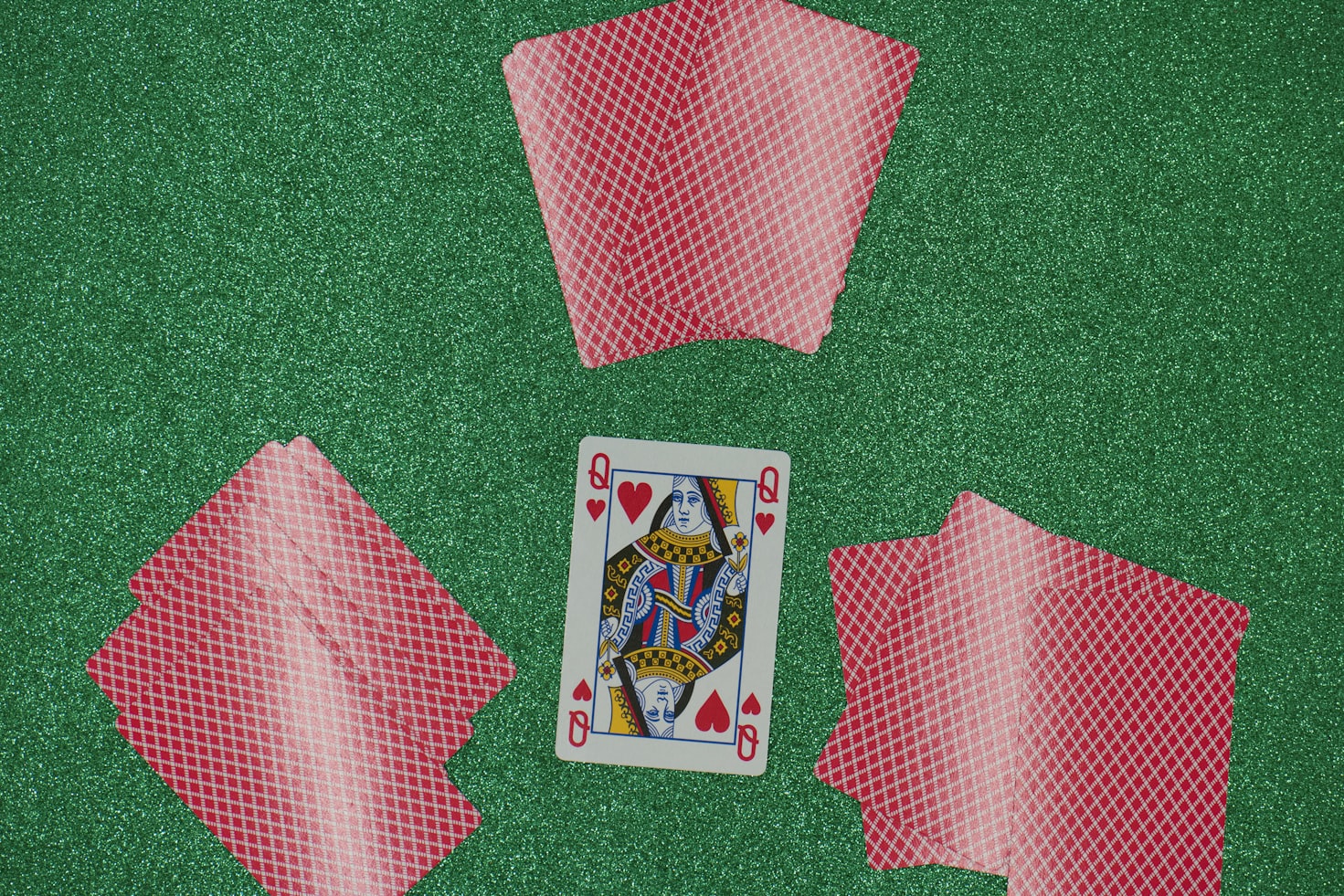
This pursuit of excitement can overshadow rational decision-making. Players may become overly optimistic about their chances of winning, which can lead them to engage in riskier bets. The allure of a big payout can skew their perception of odds, causing them to underestimate the likelihood of losing. This psychological bias makes risky gambling decisions feel justified, leading to repeated engagement in such behavior.
Cognitive biases at play
Cognitive biases significantly influence the decision-making processes of gamblers. One notable bias is the «illusion of control,» where individuals believe they can influence the outcome of a game despite it being purely chance-based. This belief can lead players to make riskier bets, as they feel empowered by their perceived ability to sway results.
Another common bias is the «gambler’s fallacy,» which leads individuals to assume that past outcomes can affect future results. For instance, someone may believe that after a series of losses, a win is «due.» This faulty reasoning fuels the propensity to place larger, riskier bets, as they feel confident that a winning streak is just around the corner.
The role of social influence
The social environment also plays a significant role in gambling behavior. Peer pressure and the desire for social acceptance can lead individuals to take risks they might not consider alone. In social settings, the thrill of gambling can become contagious, encouraging more significant and riskier wagers among friends or groups.
Furthermore, the concept of social proof can reinforce risky betting behavior. Observing others winning can create a perception that such outcomes are common, prompting individuals to take similar risks. This collective mindset often overshadows individual caution, resulting in a higher likelihood of engaging in high-stakes bets.
Addiction and its impact
The psychological allure of gambling can morph into a serious addiction, characterized by an irresistible urge to gamble despite negative consequences. Gambling addiction alters the brain’s reward systems, making individuals more susceptible to the thrill of risk-taking. As addiction progresses, the lines between rational decision-making and compulsive behavior blur, driving individuals to make increasingly risky bets.
Moreover, the cycle of gambling addiction often leads to a series of losses that perpetuate the need to chase losses. This chase can result in significant financial and emotional distress. Understanding the psychology of addiction is crucial for developing effective interventions and support systems for those struggling with gambling-related issues.

Insights from Colbert News Hub
Colbert News Hub provides valuable insights into various topics, including the psychology of gambling and its implications for society. By focusing on engaging and informative content, the platform aims to shed light on complex issues such as gambling behavior and addiction.
With a commitment to delivering accurate and timely information, Colbert News Hub serves as a resource for readers looking to deepen their understanding of gambling psychology. The site’s user-friendly interface and dedication to quality content make it an essential destination for anyone seeking to explore the intricacies of this fascinating subject.
No responses yet